Part of the AWS series:
- Hosting a Static Website on AWS with Hugo and Terraform
- Getting Started with AWS Container Services: A Beginner's Guide
- Managing Amazon ECR with Terraform: A Step-by-Step Guide
- Reducing Costs and Enhancing Security with Amazon VPC EndpointsThis post!
- Lets Learn about AWS SCP
In the world of cloud computing, managing network costs and ensuring security are top priorities for businesses and organizations. Amazon Web Services (AWS) offers a range of features to help achieve these goals, and one powerful tool in this regard is Amazon Virtual Private Cloud (VPC) Endpoints. In this comprehensive guide, we will explore how Amazon VPC Endpoints can be a game-changer for your AWS infrastructure, allowing you to reduce costs and increase security.
Understanding Amazon VPC Endpoints
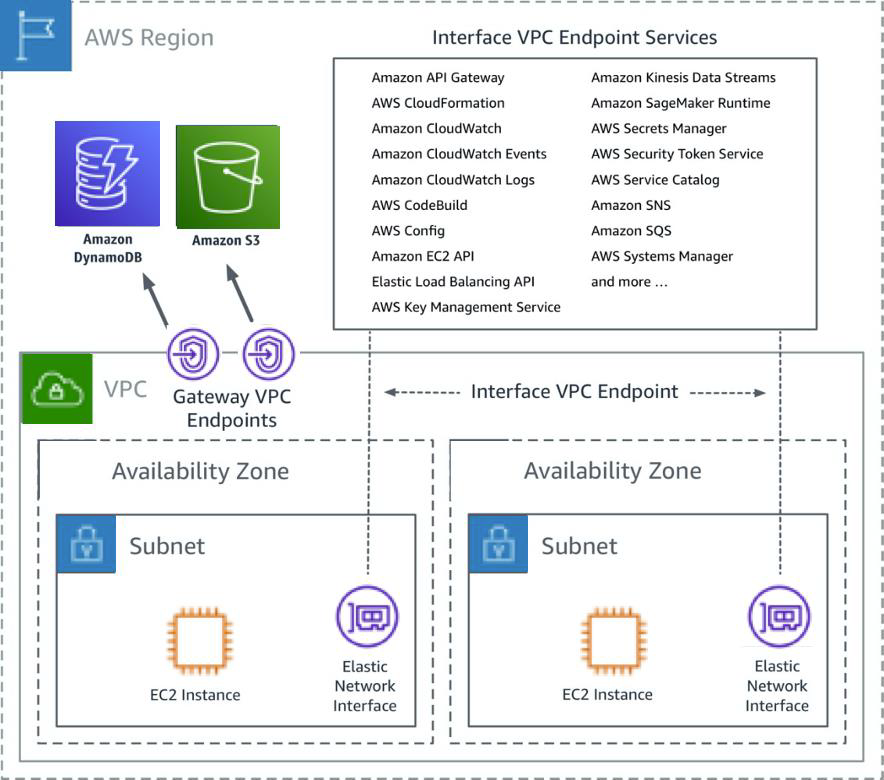
Referring to the diagram below, you can see how we connect to AWS services using VPC endpoints:
What Are VPC Endpoints?
- A Virtual Private Cloud (VPC) endpoint is a crucial feature in Amazon Web Services (AWS) that allows you to establish private connections between your VPC and supported AWS services. Unlike traditional internet-based connections, VPC endpoints operate privately within the AWS network, providing a more secure and efficient way to access AWS services.
Types of VPC Endpoints:
-
Gateway Endpoints: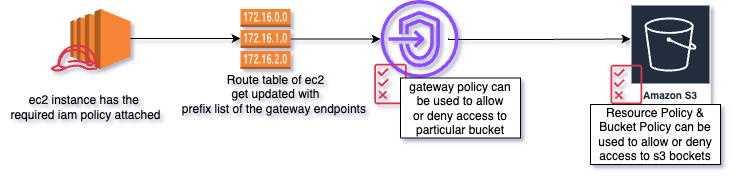
- Gateway endpoints in Amazon VPC are used to facilitate secure and efficient communication between your VPC and specific AWS services like Amazon DynamoDB and Amazon S3.
- Gateway endpoints target specific IP routes in the VPC’s route table. These routes are defined using a prefix-list
- The purpose of these routes is to direct traffic destined for the specified AWS service through the gateway endpoint.
- Referring to the diagram below, discover how to unlock the power of Amazon S3 Gateway Endpoints to seamlessly access your S3 data from an EC2 instance
-
Interface Endpoints: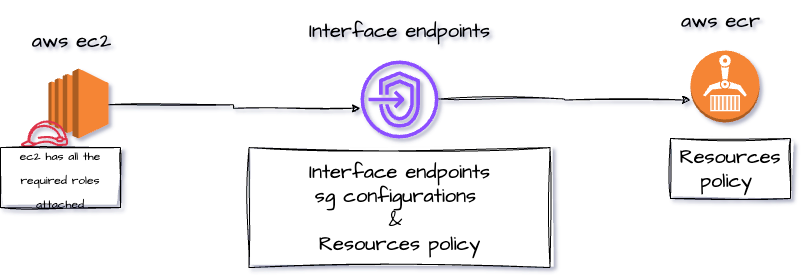
- Interface endpoints in Amazon VPC enable secure and private connectivity to a range of services over AWS PrivateLink.
- Interface endpoints allow you to connect to a variety of services, both AWS-managed and those hosted by other AWS customers or partners.
- An interface endpoint consists of one or more elastic network interfaces (ENIs) within your VPC.
- These ENIs have private IP addresses and act as entry points for directing traffic to the supported service.
- An interface endpoint is made up of elastic network interfaces (ENIs) that exist within your VPC. You can utilize security groups to either permit or block requests to these endpoints.
Service Provider and Consumer:- Interface VPC Endpoint: Gaining Access to Customer VPC Services
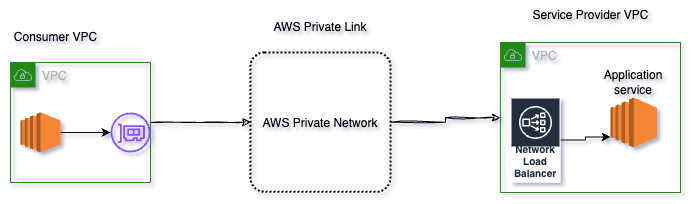
- In the context of interface endpoints, the service provider is the owner of the service, which could be AWS or other AWS customers and partners.
- The service consumer is the principal who creates the interface endpoint and uses the service.
-
Gateway Load Balancer endpoint:- A Gateway Load Balancer endpoint is a specialized type of Virtual Private Cloud (VPC) endpoint that facilitates private communication between virtual appliances in the service provider’s VPC and application servers in the service consumer’s VPC.
Here are some key benefits of using VPC endpoints:
No Need for Internet Gateway or NAT Gateways and Instances:- VPC endpoints eliminate the need for deploying an internet gateway, network address translation (NAT) device, Virtual Private Network (VPN) connection, or AWS Direct Connect connection.
- This simplifies the network architecture and reduces the associated complexity and costs.
Highly Available and Scalable:- VPC endpoints are designed to be highly available, horizontally scalable, and redundant components within your VPC.
- They ensure that your network connectivity to AWS services is reliable and can handle increased traffic demands.
Traffic Optimization and Cost Savings:- By using VPC endpoints, you can optimize the network path for your traffic, avoiding unnecessary routes through internet gateways.
- This can result in cost savings by reducing the need for NAT gateways, NAT instances, or maintaining complex firewalls.
Fine-Grained Control:- VPC endpoints offer fine-grained control over how users and applications within your VPC access AWS services.
- You can configure access policies to specify who can communicate with these services, enhancing security and compliance.
Compliance and Data Privacy:- VPC endpoints can assist in meeting compliance requirements, especially when dealing with sensitive data.
- By keeping data within the AWS network, you can adhere to data privacy regulations more effectively.
Support for Various AWS Services:- AWS continues to expand the list of supported services for VPC endpoints, making it a versatile solution for different use cases.
Implementing VPC Endpoints with Terraform
Stay Tuned Cloud Magic - Coming soon!!.
Conclusion
Amazon VPC Endpoints offer a powerful solution for reducing costs and enhancing security in your AWS infrastructure. By leveraging Terraform, you can automate the provisioning and management of these endpoints, ensuring a balance between cost-efficiency and robust security.
As you continue to optimize your AWS environment, consider incorporating VPC Endpoints into your infrastructure-as-code practices. By doing so, you can create a more resilient and cost-effective AWS architecture that meets the demands of your organization, all while benefiting from the security and cost advantages that VPC Endpoints offer.